Skip to content
Back to Prompts

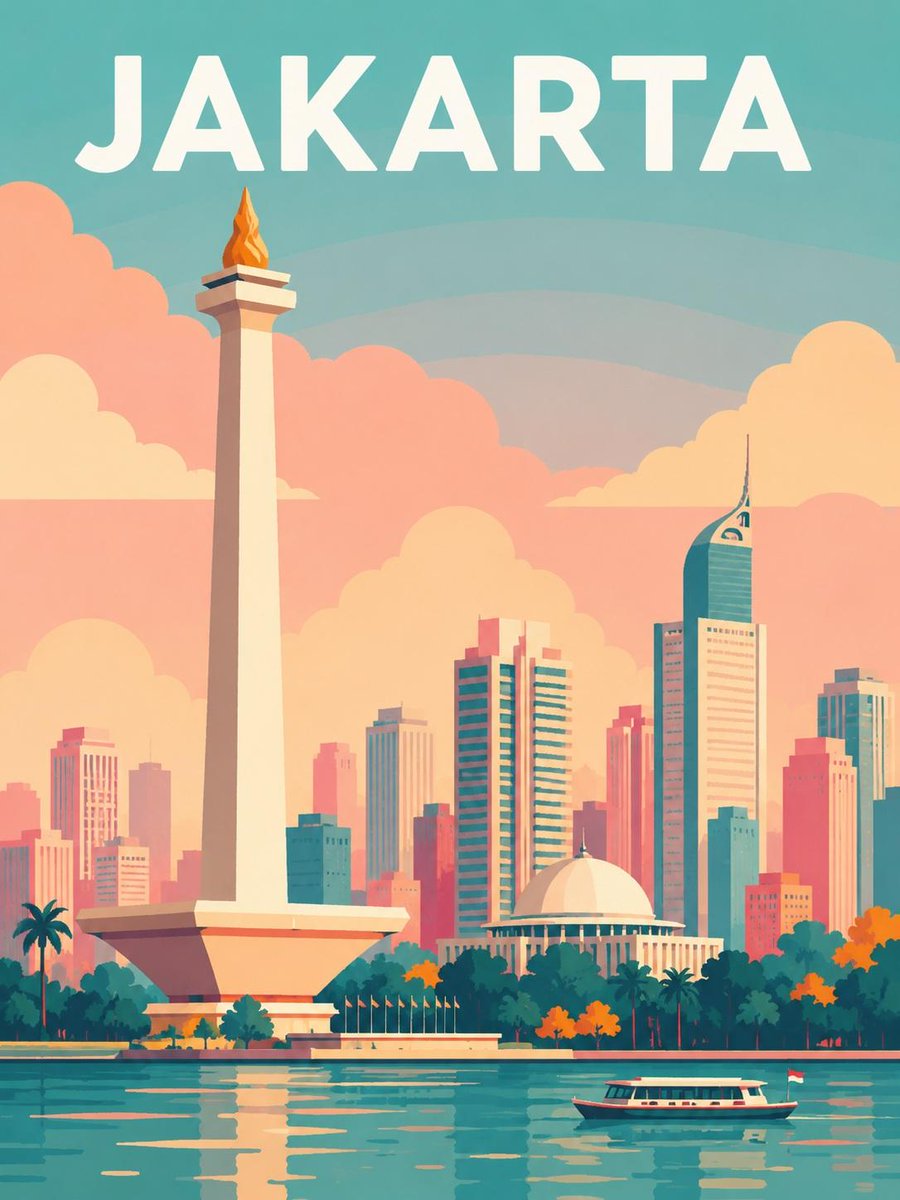
Retro-Modern Jakarta Vintage Travel Poster Design

@Goodmanprotocol··52

Create a premium retro-modern travel poster of [Jakarta], using the exact visual language of classic mid-century tourism posters blended with contemporary flat editorial illustrati
Cinematic Portrait Prompt
Prompt
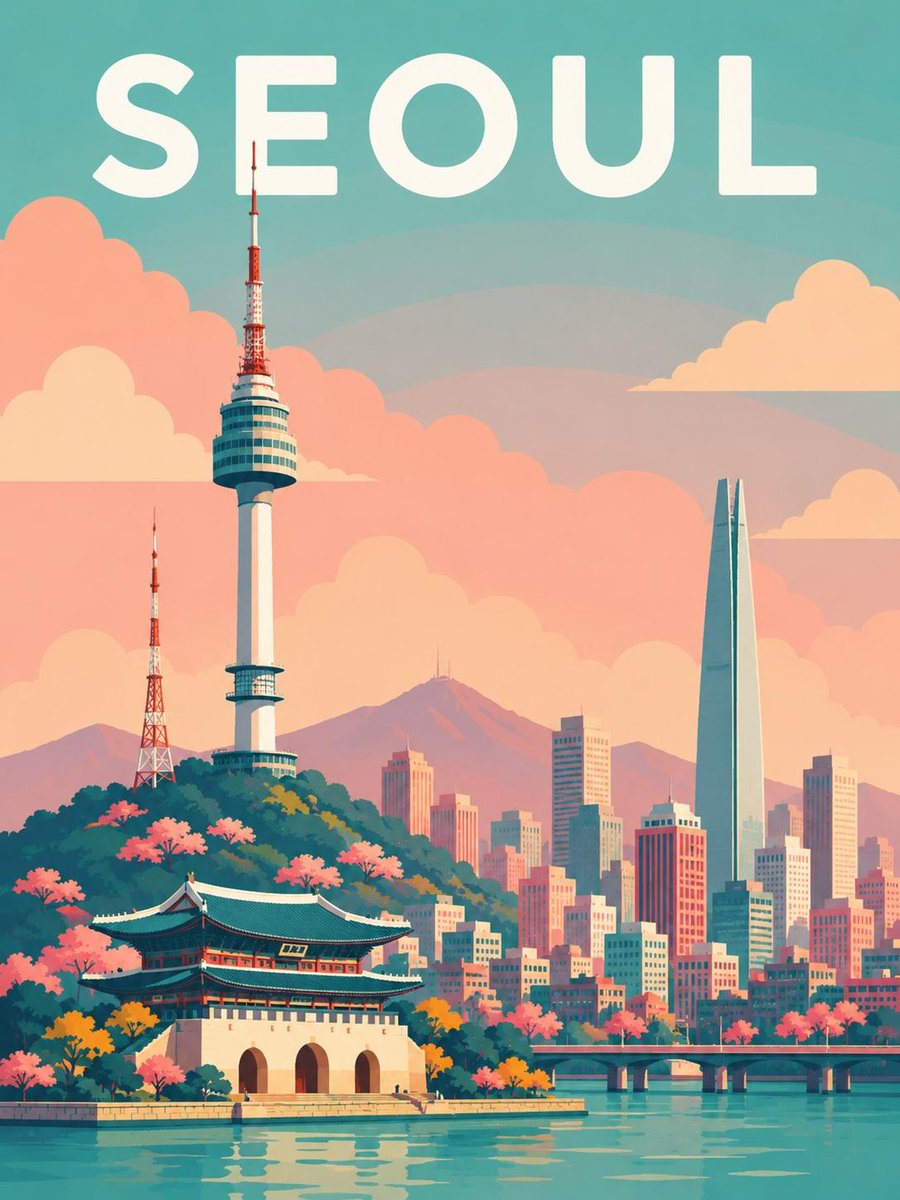
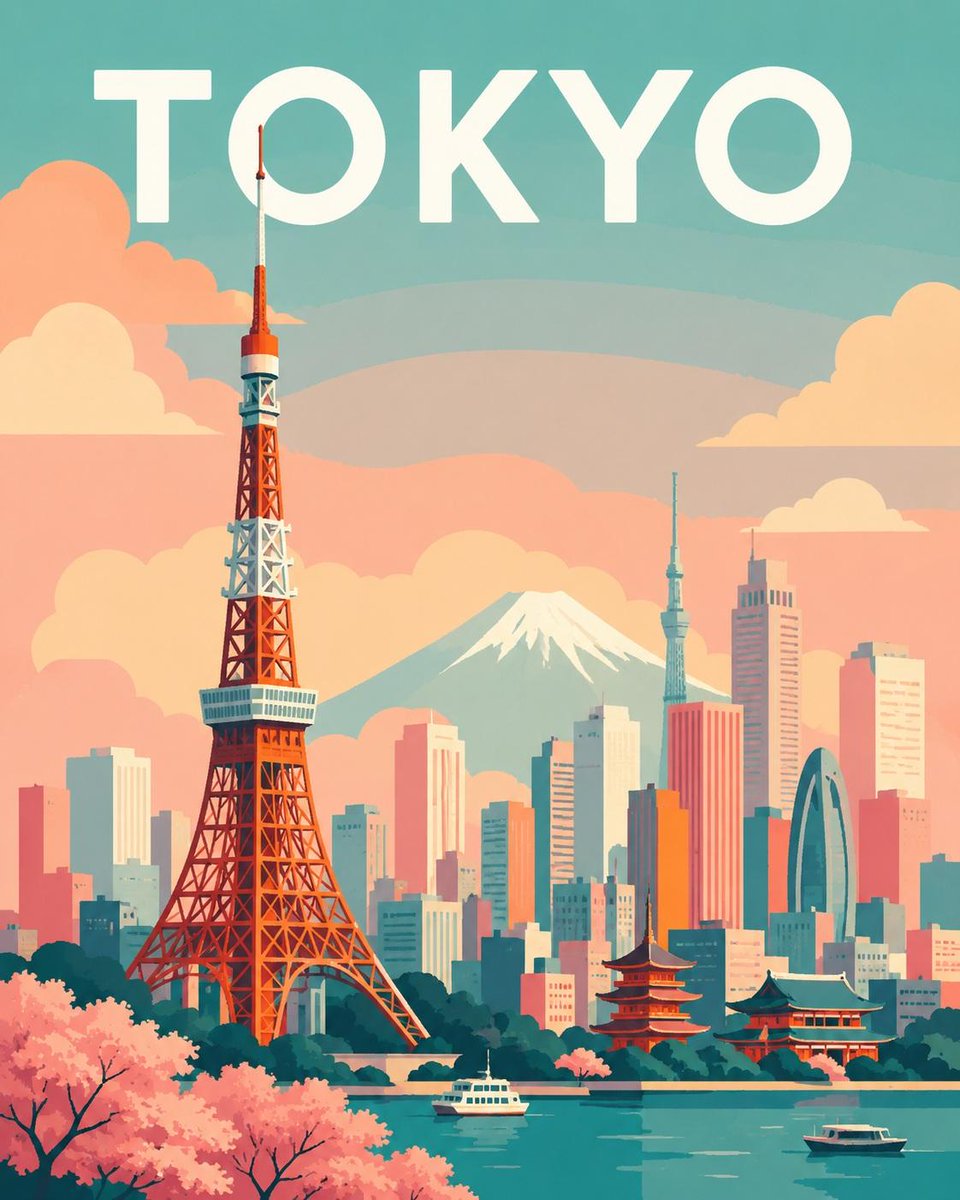
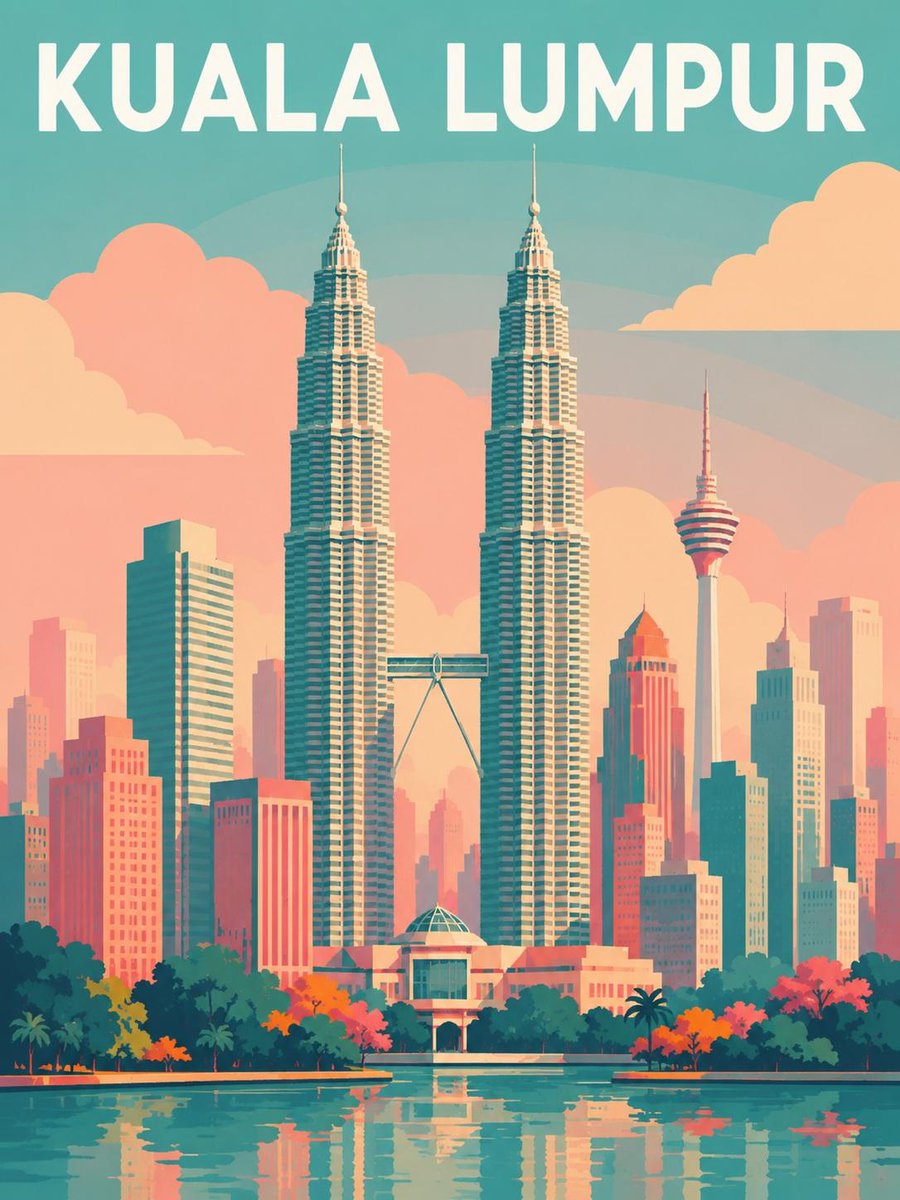
Create a premium retro-modern travel poster of [Jakarta], using the exact visual language of classic mid-century tourism posters blended with contemporary flat editorial illustration. The composition should closely mirror the structure and emotional balance of a vintage New York skyline poster: a dominant iconic landmark in the foreground, a layered skyline in the midground, soft atmospheric clouds behind, water or open space near the bottom, and a large bold destination title placed across the upper portion of the poster. STYLE: mid-century modern travel poster aesthetic flat vector illustration clean geometric simplification large color-blocked shapes minimal detail rendering smooth matte appearance screen-print / silkscreen inspired graphic style editorial poster composition tourism-board vintage poster feeling bold simplified skyline silhouettes soft atmospheric layering crisp edges with no outlines highly stylized but recognizable architecture premium museum-shop print quality balanced negative space minimal but emotionally warm composition no photorealism no 3D rendering no texture-heavy painting no realism shading no cyberpunk no collage clutter COLOR PALETTE: soft pastel-meets-sunset palette muted turquoise sky warm peach clouds dusty pink architecture coral highlights cream and ivory accents deep teal shadows warm orange focal accents slightly faded vintage print mood high color harmony limited controlled palette soft cinematic warmth without oversaturation LAYOUT & COMPOSITION: portrait poster layout (2:3 or 4:5 ratio) very large uppercase destination typography at top bold sans-serif font foreground landmark oversized and vertically dominant midground skyline layered using overlapping flat silhouettes background sky composed of large abstract cloud shapes strong atmospheric depth created only through color layering simple water reflections or open foreground space near bottom minimal object count clean readable hierarchy balanced asymmetry poster should feel iconic and timeless VISUAL STRUCTURE: foreground: large iconic landmark of [DESTINATION] occupying roughly 35–45% of the canvas height midground: simplified skyline or architectural cluster using stacked geometric silhouettes background: large soft cloud masses with subtle tonal variation bottom: waterfront / landscape / road / harbor / desert / field depending on destination geography TYPOGRAPHY: large white uppercase city name clean geometric sans-serif integrated naturally into sky area minimal additional text classic travel-poster placement DESTINATION ADAPTATION RULES: automatically adapt architecture, colors, landscape, atmosphere, and landmark choices to the real identity of [DESTINATION] Examples: Paris → Eiffel Tower + Haussmann skyline Tokyo → Tokyo Tower + dense layered cityscape Sydney → Opera House + harbor Cairo → pyramids + desert haze Hong Kong → Victoria Harbour skyline + mountain silhouette Santorini → white cliff architecture + Aegean sea Rio → Christ the Redeemer + tropical bay IMPORTANT: maintain the same emotional tone and graphic simplicity as a classic New York vintage skyline poster prioritize elegant silhouette design over detail avoid overcrowding avoid realistic lighting avoid modern UI-like gradients the poster should feel like a timeless collectible travel print sold in a premium museum design store.

How to Use This Prompt

  1. Copy the full prompt text with the copy button above.
  2. Replace any [bracketed] placeholders with your own subject, scene, or details.
  3. Paste it into Gemini / Nano Banana Pro — or hit "Try this Prompt" above to generate here for free — then tweak the wording against the example images.

Style Notes

Poster
Single-image layout designed to be read at a glance: dominant visual, title-friendly composition, high contrast for print or thumbnail.
3D Render
CGI look — smooth surfaces, controlled global illumination, and depth that reads like a Blender/Cinema 4D render instead of a photograph.
Illustration
Hand-drawn or digital-painting aesthetics — visible strokes, stylized shapes and colors, deliberately not photoreal.
Photo
Asks the model for photorealistic output — natural lighting, believable skin and materials, camera-like depth of field — rather than illustration or 3D looks.
Typography
Text is part of the artwork. Modern models like Nano Banana Pro can render legible styled lettering, but keep the exact wording short and quoted in the prompt.
Logo / Icon
Symbol-first design — simple geometry that survives being scaled down, flat color, strong silhouette. Expect to vectorize the output before real use.
Cinematic
Film-style rendering — widescreen framing, dramatic lighting contrast, graded colors (often teal-orange), and a sense of narrative in the scene.
Minimalist
Few elements, generous negative space, restrained palette — the model is told to leave things out, which makes composition errors much less likely.
Vintage Print
Aged print artifacts — grain, halftone dots, faded inks, retro typefaces — evoking mid-century posters and old magazines.

FAQ

How do I use this prompt with Gemini (Nano Banana Pro)?

Copy the full prompt with the copy button above, paste it into Gemini or any Nano Banana Pro-powered tool, and compare your result with the example images on this page. You can also click "Try this Prompt" to generate directly on this site — free daily generations, no sign-up needed.

Can I customize "Retro-Modern Jakarta Vintage Travel Poster Design"?

Yes. Anything in [brackets] is a placeholder meant to be replaced with your own subject or details, and you can freely adjust subject, lighting, or style keywords — small wording changes often produce noticeably different results.

Which AI models does this prompt work with?

It was originally shared for Google's Gemini image models (including Nano Banana Pro). Most text-to-image models will understand it too, though composition and text rendering quality vary by model.
Related Prompts