Infographic / Edu Visual - Historical Macro Diorama: Culinary Atlas Grid
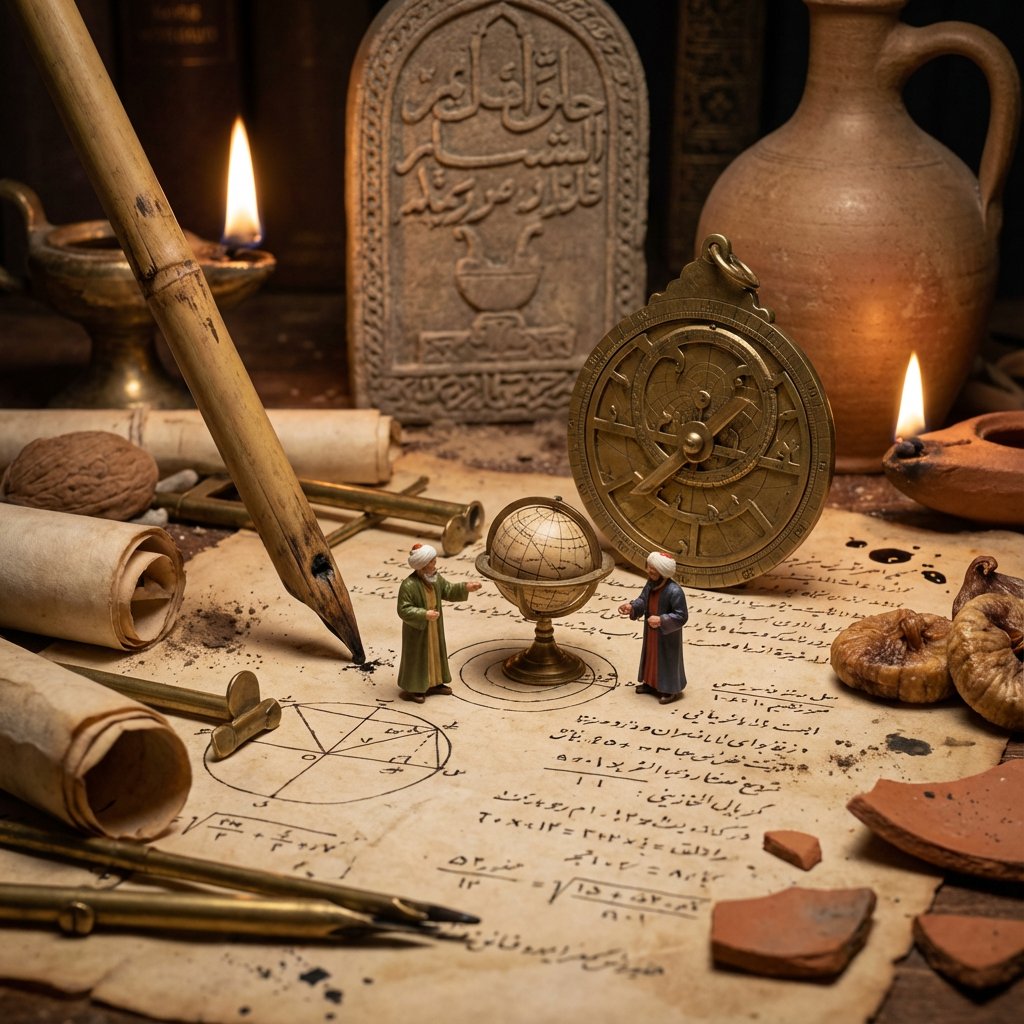
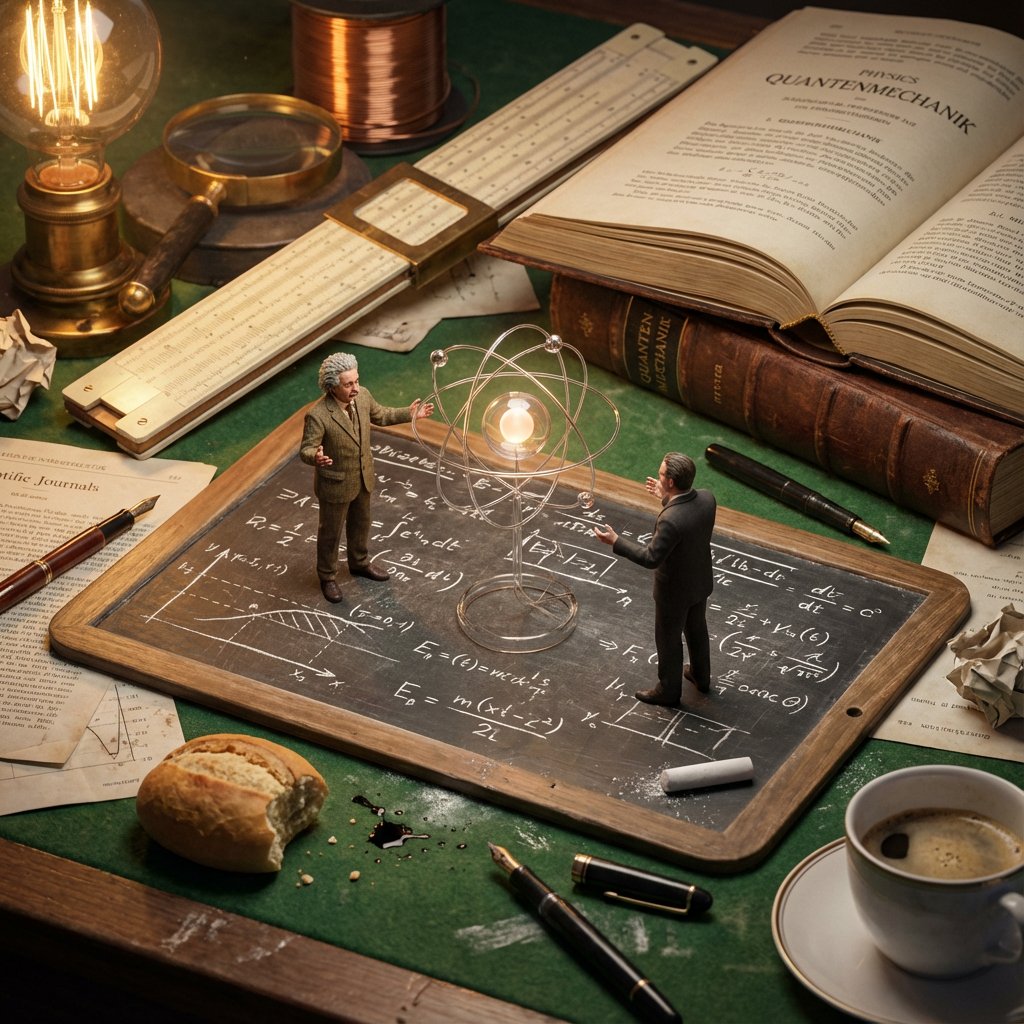
A complex, multi-phase prompt designed to generate a 2x2 grid of 'Historical Macro Dioramas' based on user-selected ingredients. It requires the AI to first determine an 'Era Texture' (Ancient, Renaissance, Industrial, Modern) and then create a hyper-detailed macro photograph of a messy workspace. Each panel features an open book with 2D sketches and a 3D pop-up diorama of a finished meal, complete with tiny period-accurate figurines of an inventor and a rival.
How to Use This Prompt
- Copy the full prompt text with the copy button above.
- Replace any [bracketed] placeholders with your own subject, scene, or details.
- Paste it into Gemini / Nano Banana Pro — or hit "Try this Prompt" above to generate here for free — then tweak the wording against the example images.
Style Notes
- Close-up
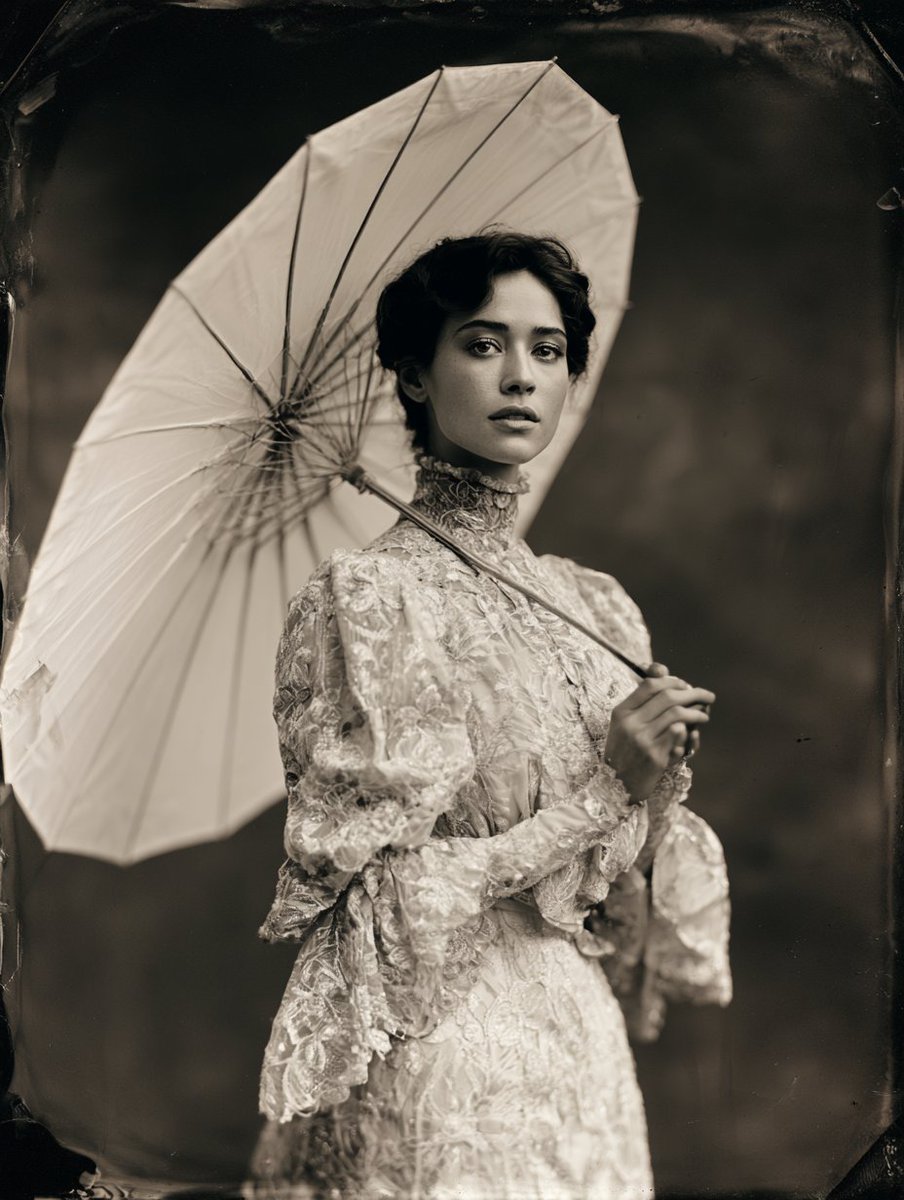
- Tight crop on the subject — texture and emotion over context; pairs naturally with high-detail and shallow depth of field.
- Dark & Moody
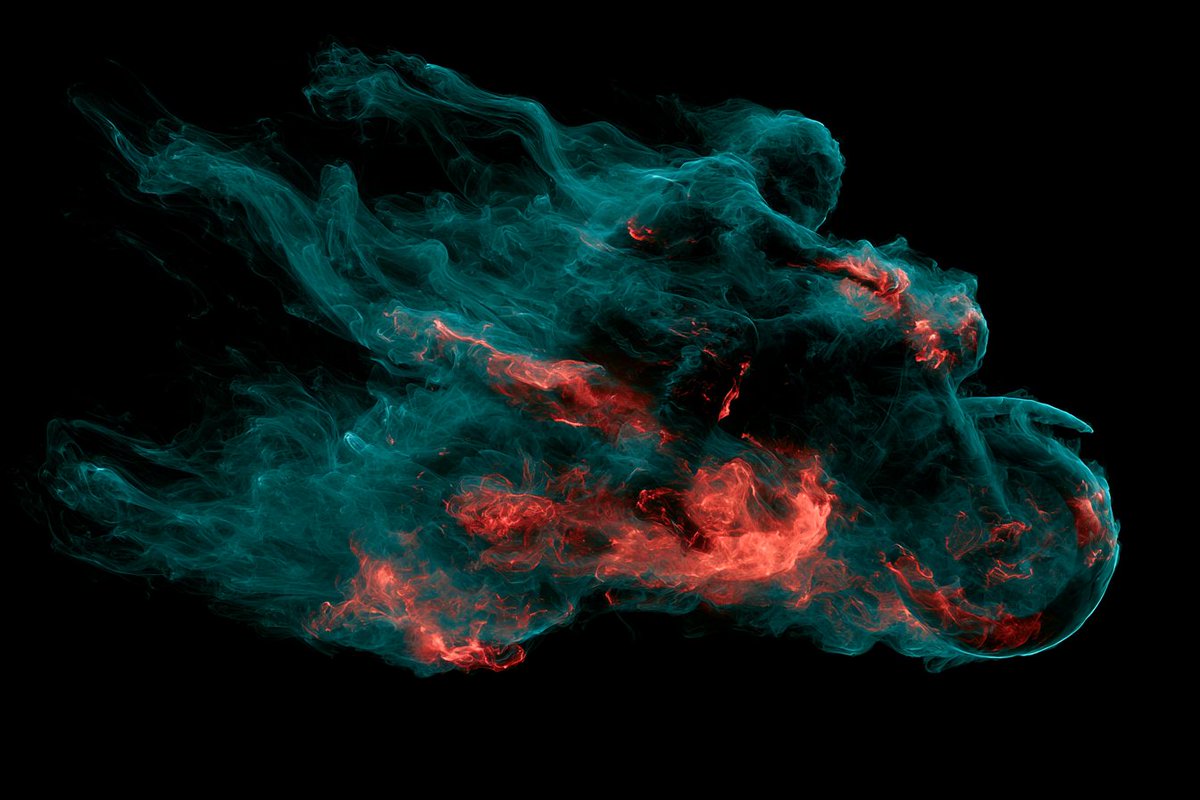
- Low ambient light, deep shadows, desaturated or cool palette — atmosphere and mystery over clarity.
- Food & Drink
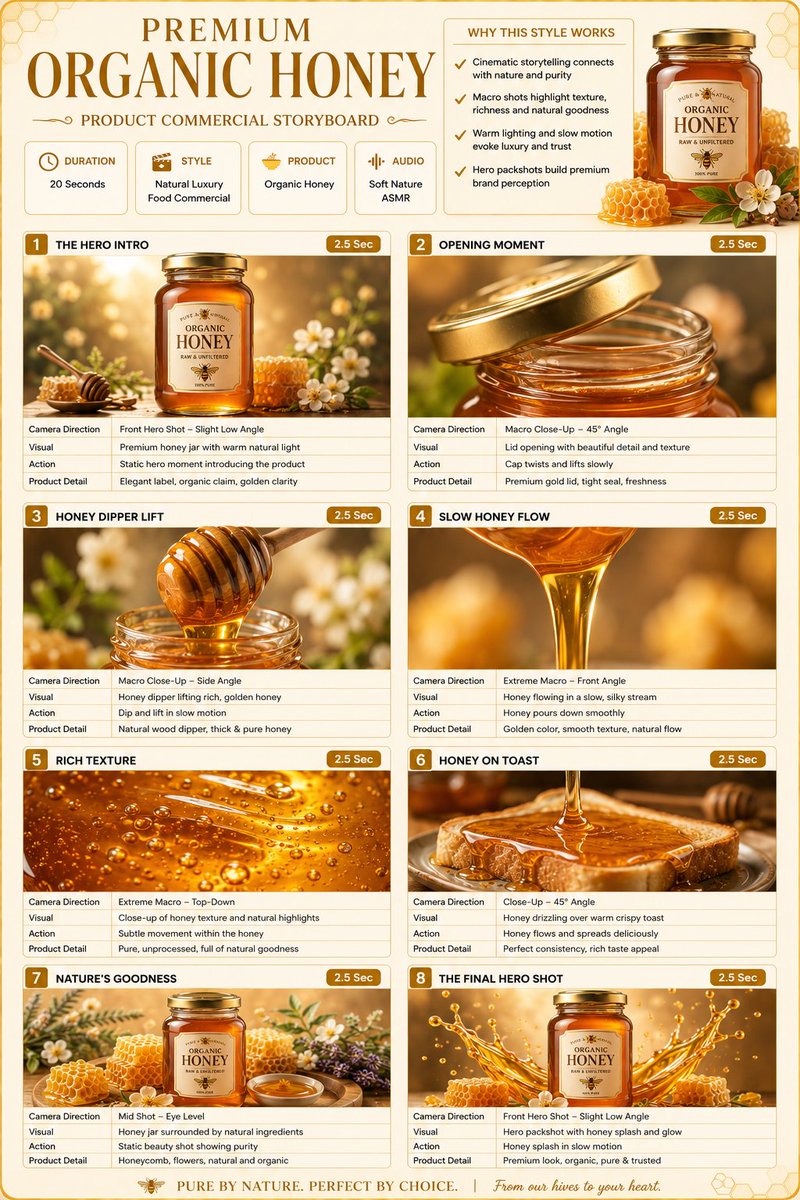
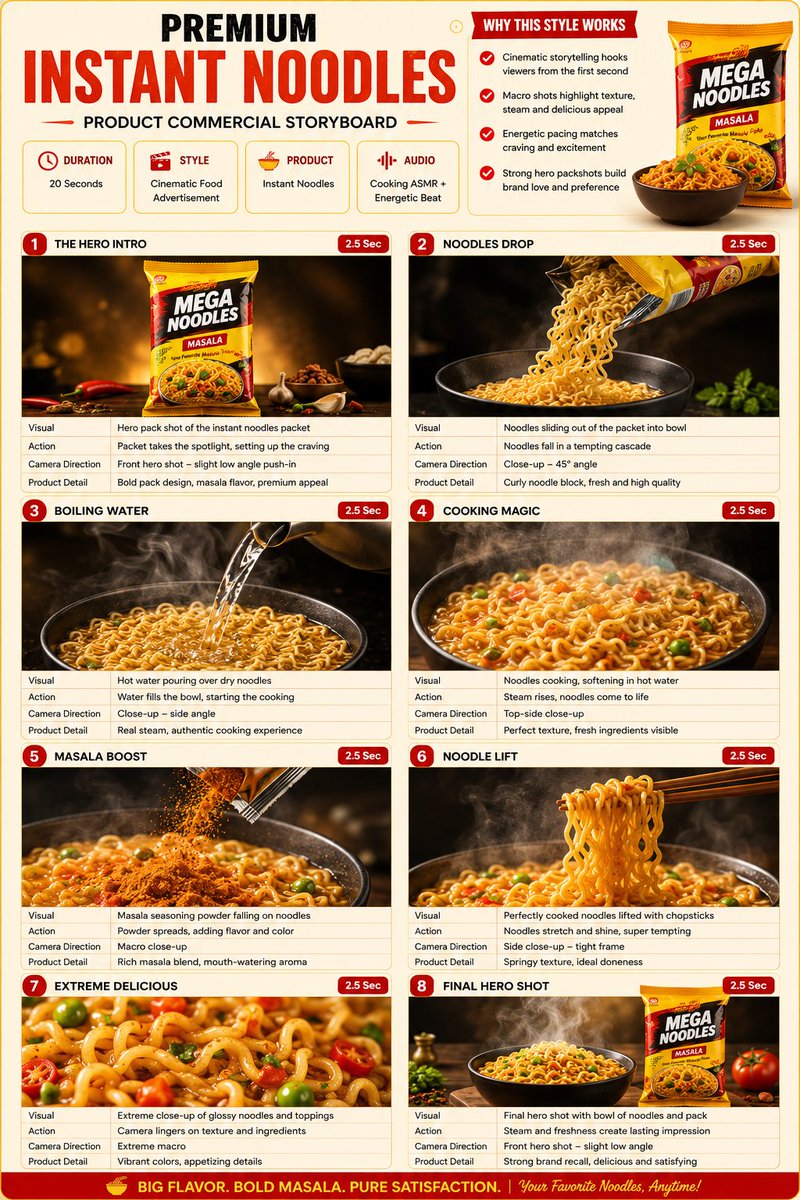
- Appetite-first styling: glistening textures, steam or condensation cues, warm light, shallow depth of field on the hero dish.
- Hero Portrait
- A single dominant subject shot like a key visual — tight framing, strong eye contact or pose, background simplified so the character carries the image.
- Photo
- Asks the model for photorealistic output — natural lighting, believable skin and materials, camera-like depth of field — rather than illustration or 3D looks.
- Product Mockup
- The design presented in context — packaging on a shelf, app on a phone screen, tee on a model — to preview how it looks in the real world.
- Product Shot
- E-commerce style product photography: the item isolated on a clean or styled surface, even studio light, true-to-material color.
- Vintage Print
- Aged print artifacts — grain, halftone dots, faded inks, retro typefaces — evoking mid-century posters and old magazines.
FAQ
How do I use this prompt with Gemini (Nano Banana Pro)?
Copy the full prompt with the copy button above, paste it into Gemini or any Nano Banana Pro-powered tool, and compare your result with the example images on this page. You can also click "Try this Prompt" to generate directly on this site — free daily generations, no sign-up needed.
Can I customize "Infographic / Edu Visual - Historical Macro Diorama: Culinary Atlas Grid"?
Yes. Anything in [brackets] is a placeholder meant to be replaced with your own subject or details, and you can freely adjust subject, lighting, or style keywords — small wording changes often produce noticeably different results.
Which AI models does this prompt work with?
It was originally shared for Google's Gemini image models (including Nano Banana Pro). Most text-to-image models will understand it too, though composition and text rendering quality vary by model.