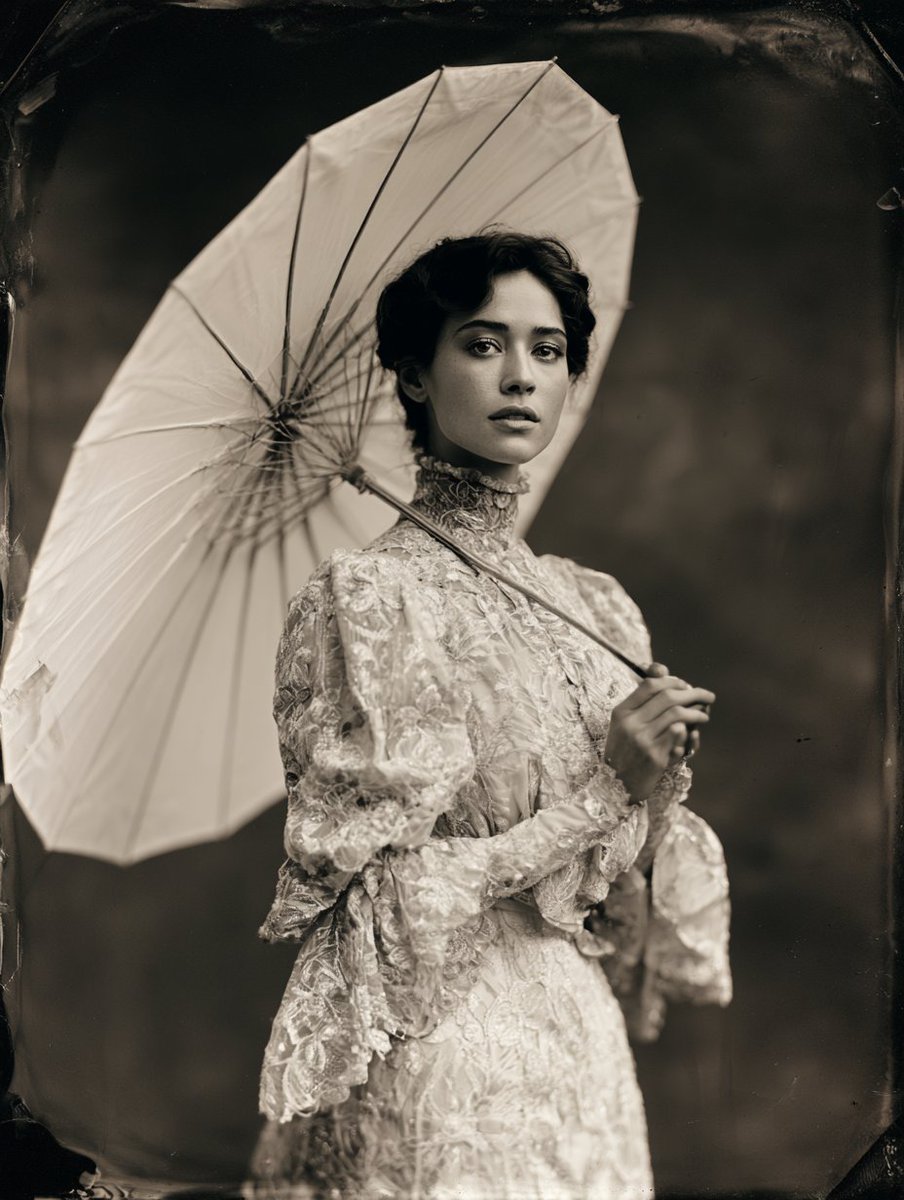
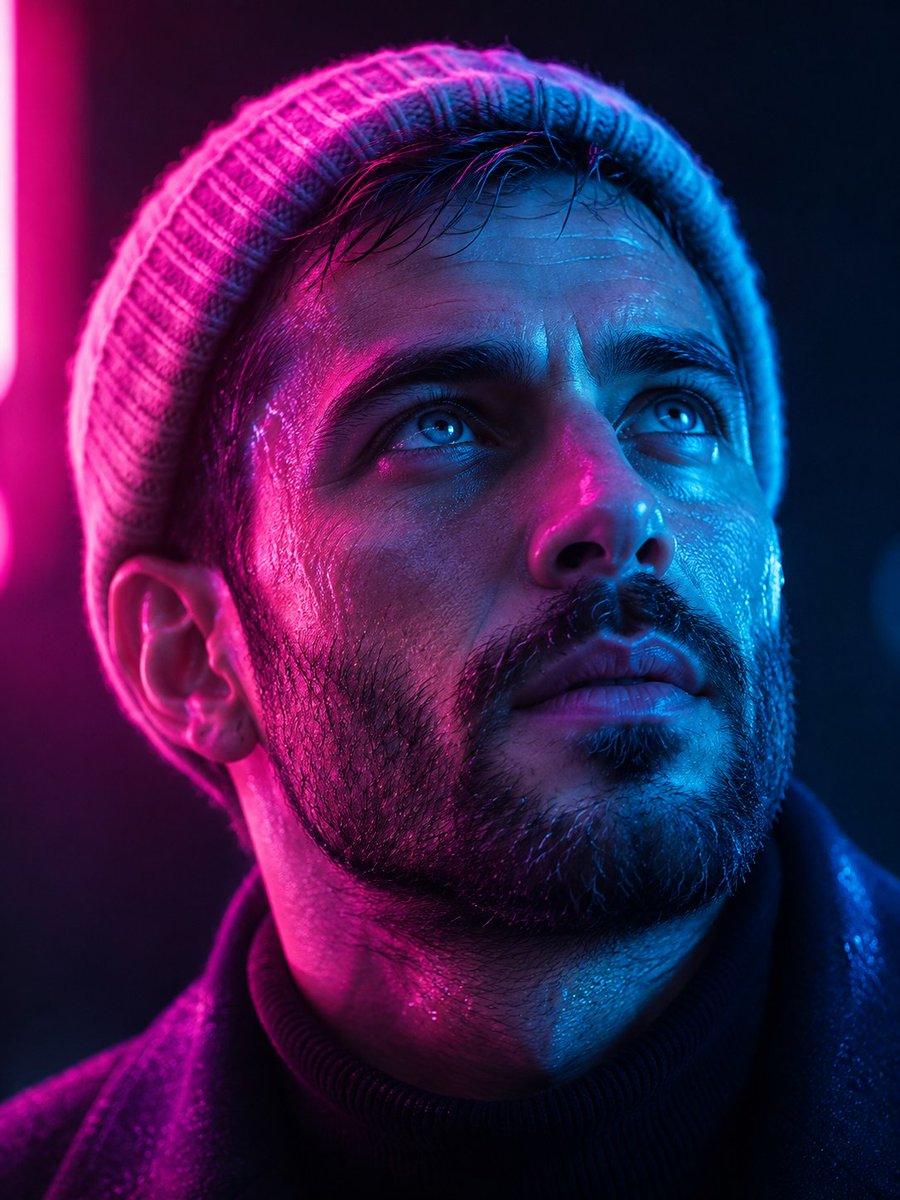
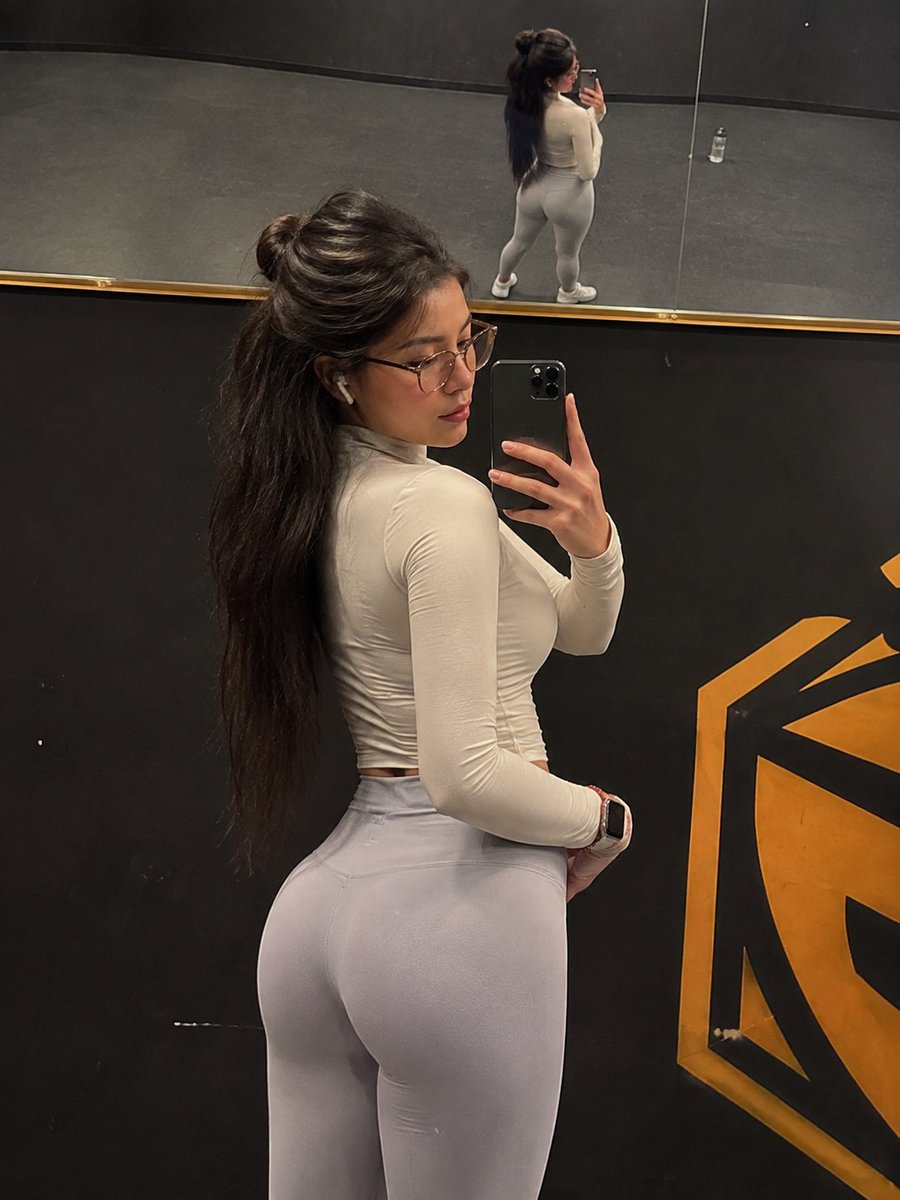
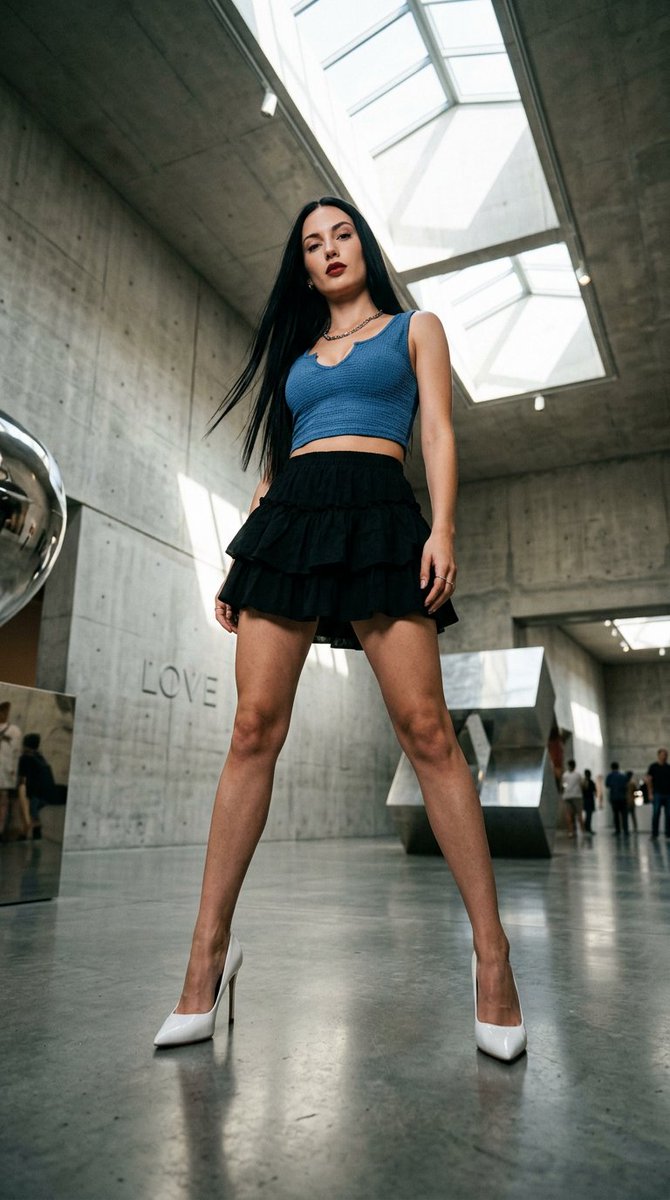
Epic Macro Cinema Ticket Scene
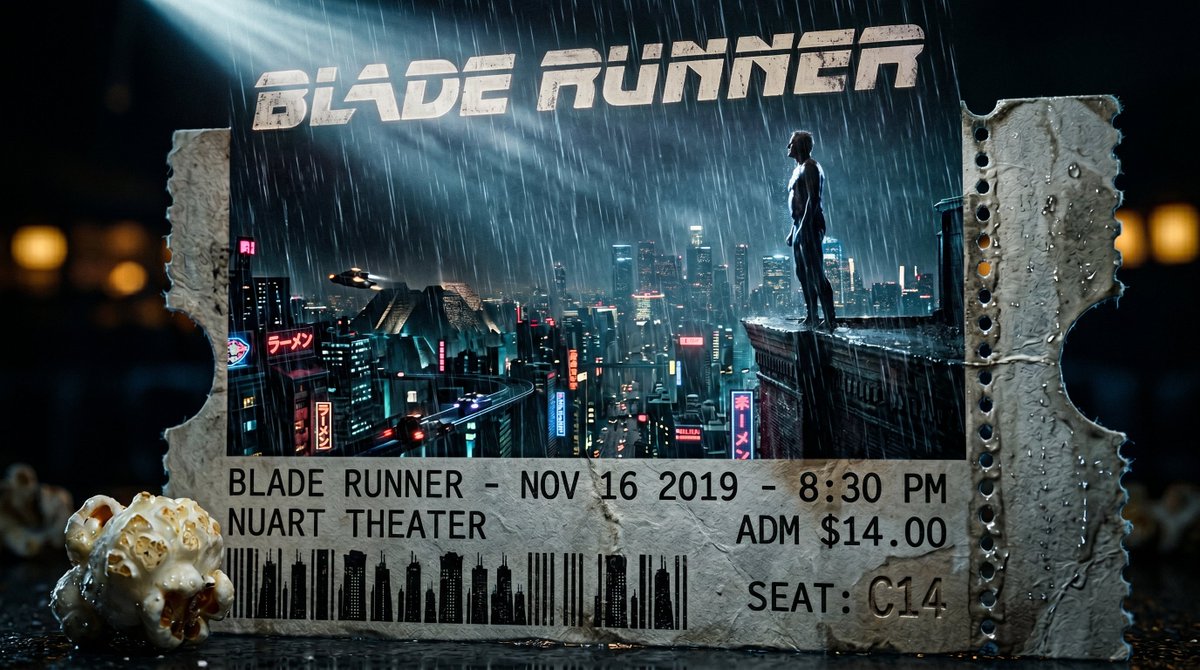
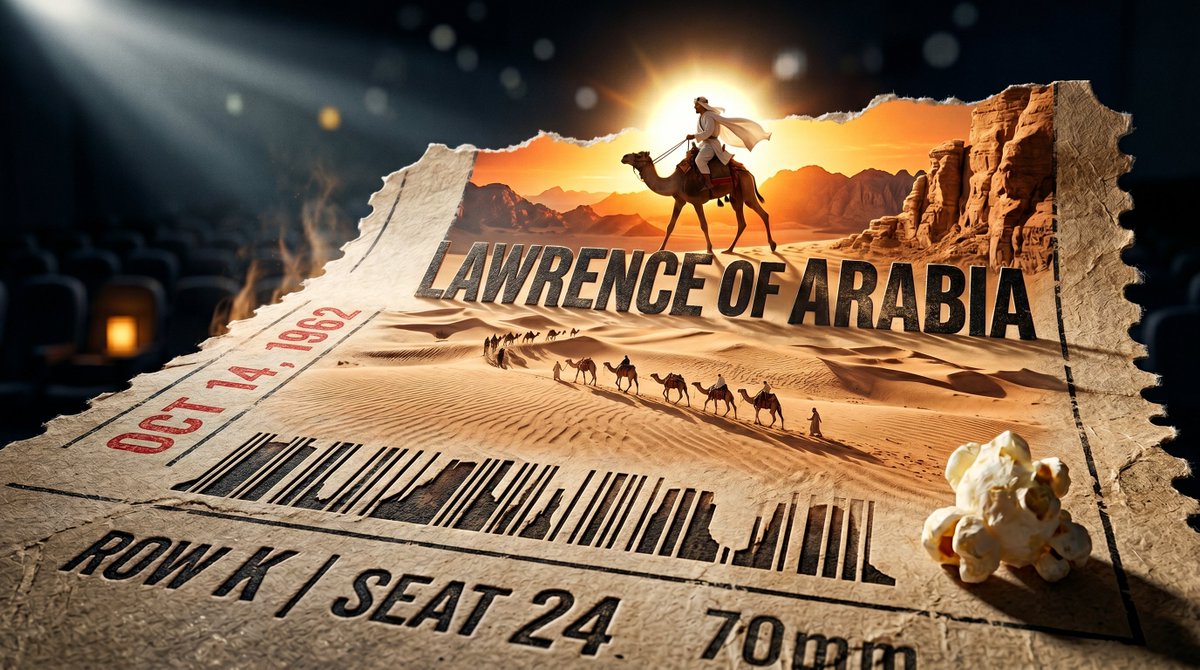
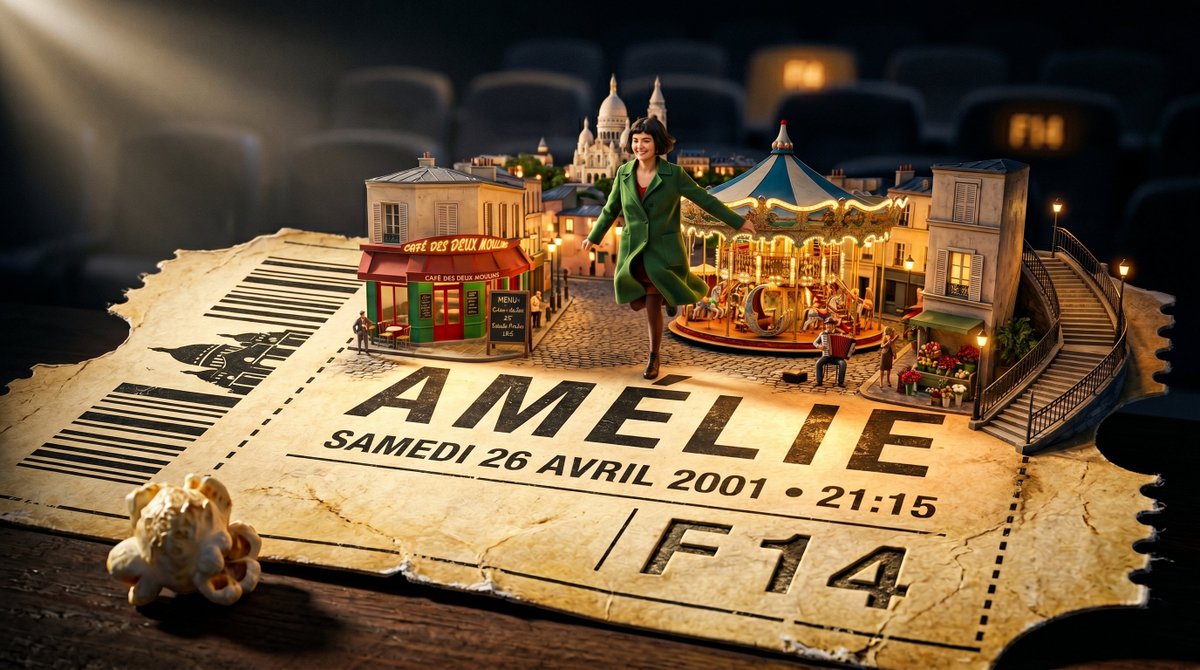
This prompt generates an extreme macro 3D scene of a torn cinema ticket, featuring film elements like title, scene, character, and location in a dramatic, detailed style with tilt-shift effects and cinematic lighting.
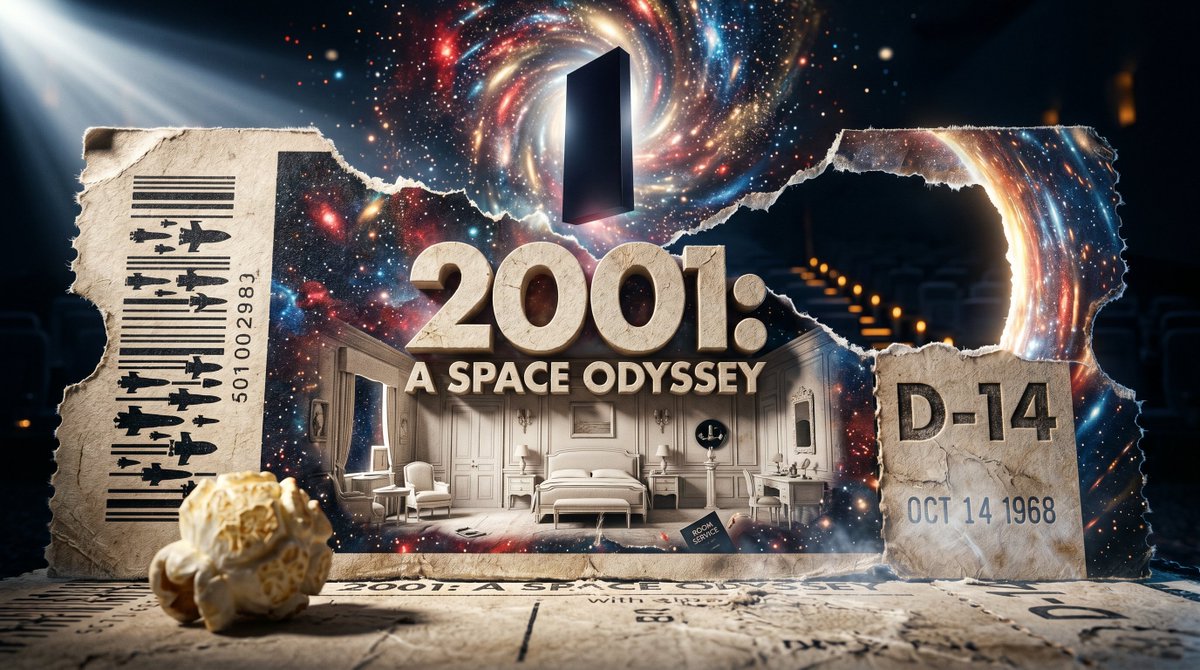
How to Use This Prompt
- Copy the full prompt text with the copy button above.
- Replace any [bracketed] placeholders with your own subject, scene, or details.
- Paste it into Gemini / Nano Banana Pro — or hit "Try this Prompt" above to generate here for free — then tweak the wording against the example images.
Style Notes
- 3D Render
- CGI look — smooth surfaces, controlled global illumination, and depth that reads like a Blender/Cinema 4D render instead of a photograph.
- Cinematic
- Film-style rendering — widescreen framing, dramatic lighting contrast, graded colors (often teal-orange), and a sense of narrative in the scene.
- Close-up
- Tight crop on the subject — texture and emotion over context; pairs naturally with high-detail and shallow depth of field.
- Texture Rich
- Surfaces carry the image — weave, grain, roughness rendered up close; often combined with macro or close-up framing.
- High Detail
- Pushes the model toward micro-texture and fine rendering — pores, fabric weave, surface wear — at the cost of a busier image.
- Social Media Post
- Composition and aspect ratio tuned for feeds (Instagram, X, Xiaohongshu): bold focal subject, room for overlay text, colors that survive small screens.
- Wallpaper / Screensaver
- Composed for a device screen: key elements kept clear of clock/icon zones, seamless edges, and colors that work at full-screen brightness.
FAQ
How do I use this prompt with Gemini (Nano Banana Pro)?
Copy the full prompt with the copy button above, paste it into Gemini or any Nano Banana Pro-powered tool, and compare your result with the example images on this page. You can also click "Try this Prompt" to generate directly on this site — free daily generations, no sign-up needed.
Can I customize "Epic Macro Cinema Ticket Scene"?
Yes. Anything in [brackets] is a placeholder meant to be replaced with your own subject or details, and you can freely adjust subject, lighting, or style keywords — small wording changes often produce noticeably different results.
Which AI models does this prompt work with?
It was originally shared for Google's Gemini image models (including Nano Banana Pro). Most text-to-image models will understand it too, though composition and text rendering quality vary by model.