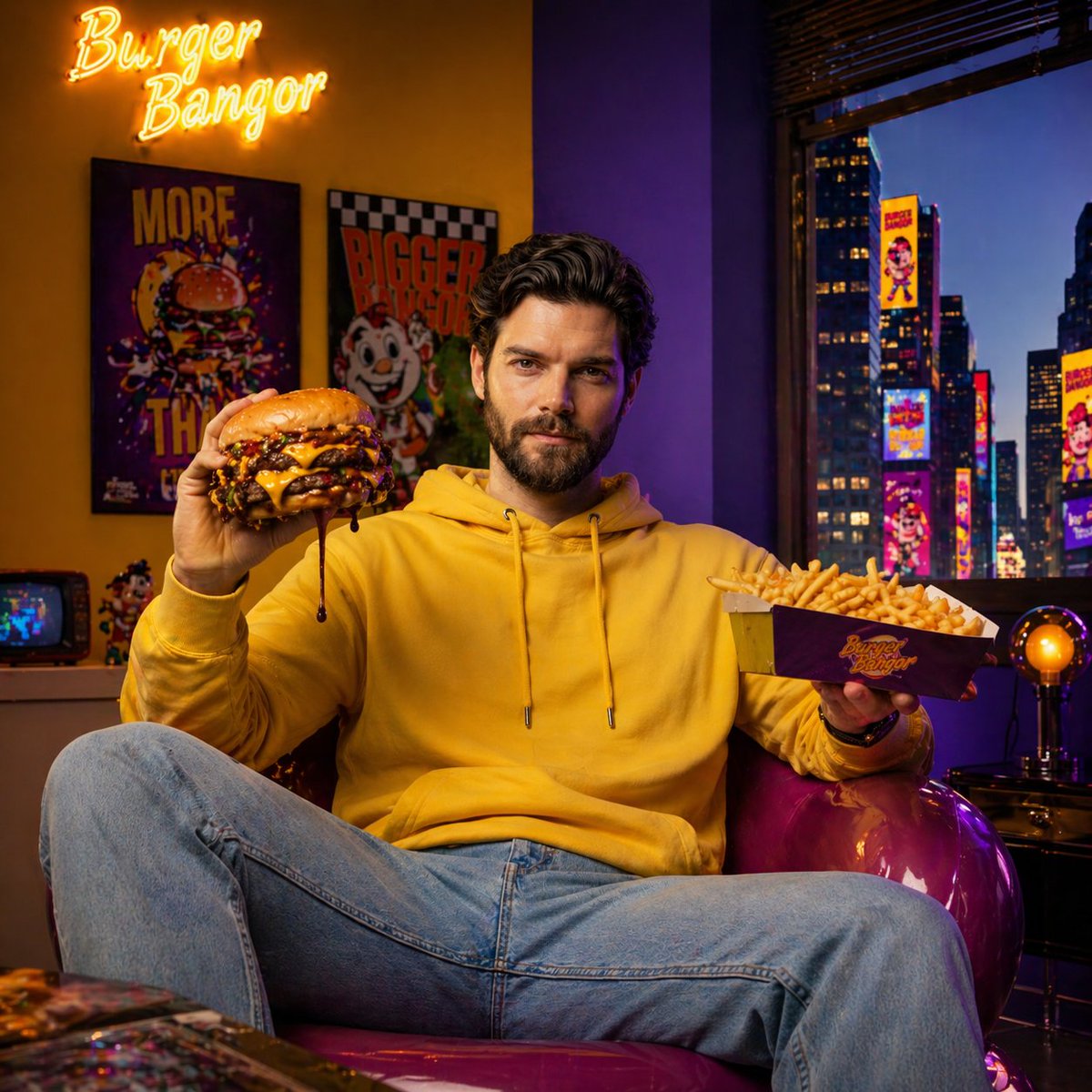
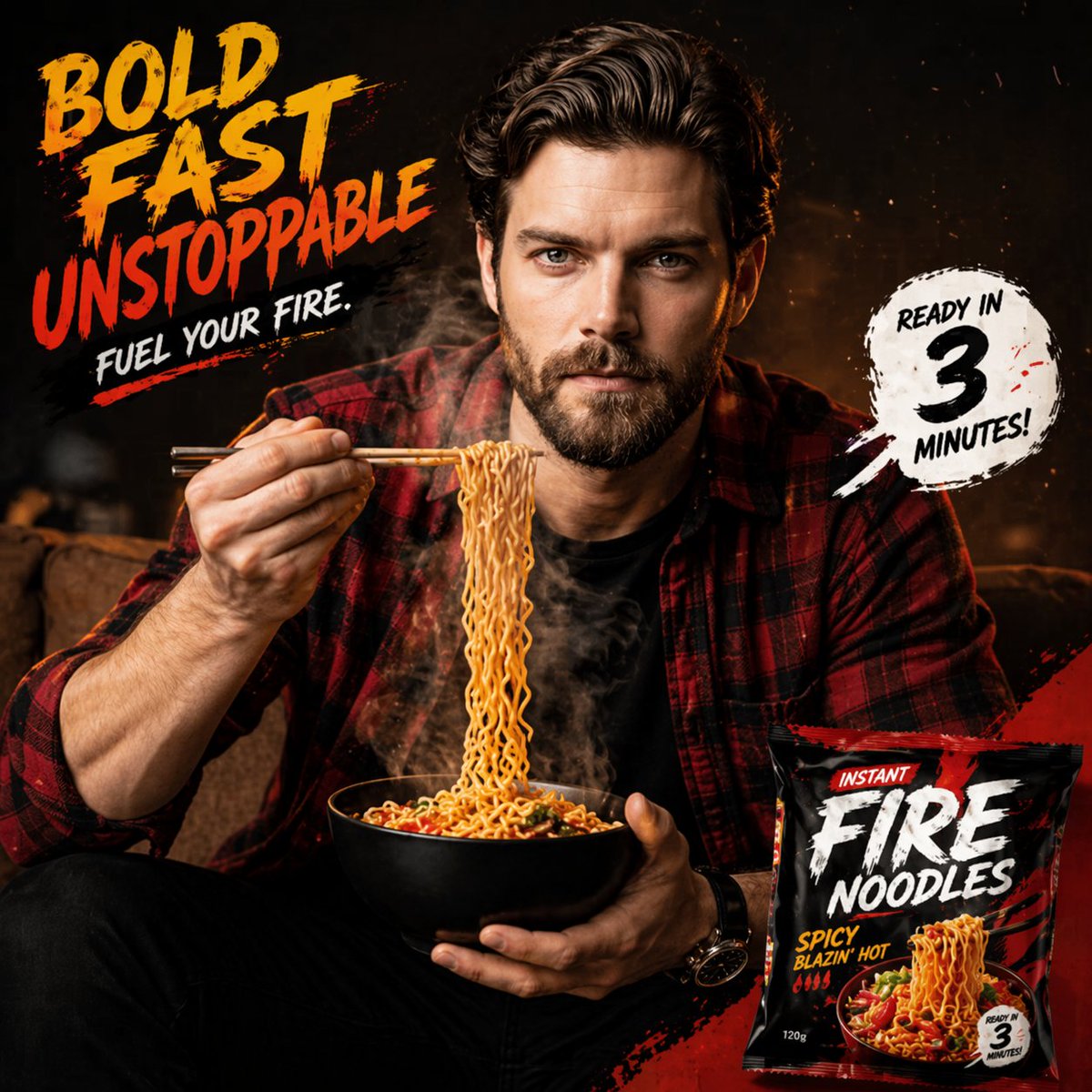
Cinematic Fast-Food Lifestyle Scene with Cheeseburger
Generates a hyper-realistic, commercial-style image of a young man enjoying a cheeseburger and fries in a vibrant, playful fast-food interior with cinematic lighting. The scene features bold colors and high-end editorial photography details.
How to Use This Prompt
- Copy the full prompt text with the copy button above.
- Replace any [bracketed] placeholders with your own subject, scene, or details.
- Paste it into Gemini / Nano Banana Pro — or hit "Try this Prompt" above to generate here for free — then tweak the wording against the example images.
Style Notes
- Photo
- Asks the model for photorealistic output — natural lighting, believable skin and materials, camera-like depth of field — rather than illustration or 3D looks.
- Cinematic
- Film-style rendering — widescreen framing, dramatic lighting contrast, graded colors (often teal-orange), and a sense of narrative in the scene.
- Food & Drink
- Appetite-first styling: glistening textures, steam or condensation cues, warm light, shallow depth of field on the hero dish.
- Interior Space
- Room-scale scenes with coherent perspective, furniture styling and light sources — architectural visualization meets lifestyle photography.
- Vibrant Colors
- High saturation and bold color blocking — eye-catching in feeds, but pair with simple composition to avoid visual noise.
- Marketing Campaign
- Ad-ready imagery: clear product or message hierarchy, space reserved for copy and logos, and a polished commercial finish.
- Social Media Post
- Composition and aspect ratio tuned for feeds (Instagram, X, Xiaohongshu): bold focal subject, room for overlay text, colors that survive small screens.
- Blog Illustration
- Editorial spot art: a clear concept metaphor, friendly palette, and enough negative space to sit beside an article headline.
- High Detail
- Pushes the model toward micro-texture and fine rendering — pores, fabric weave, surface wear — at the cost of a busier image.
FAQ
How do I use this prompt with Gemini (Nano Banana Pro)?
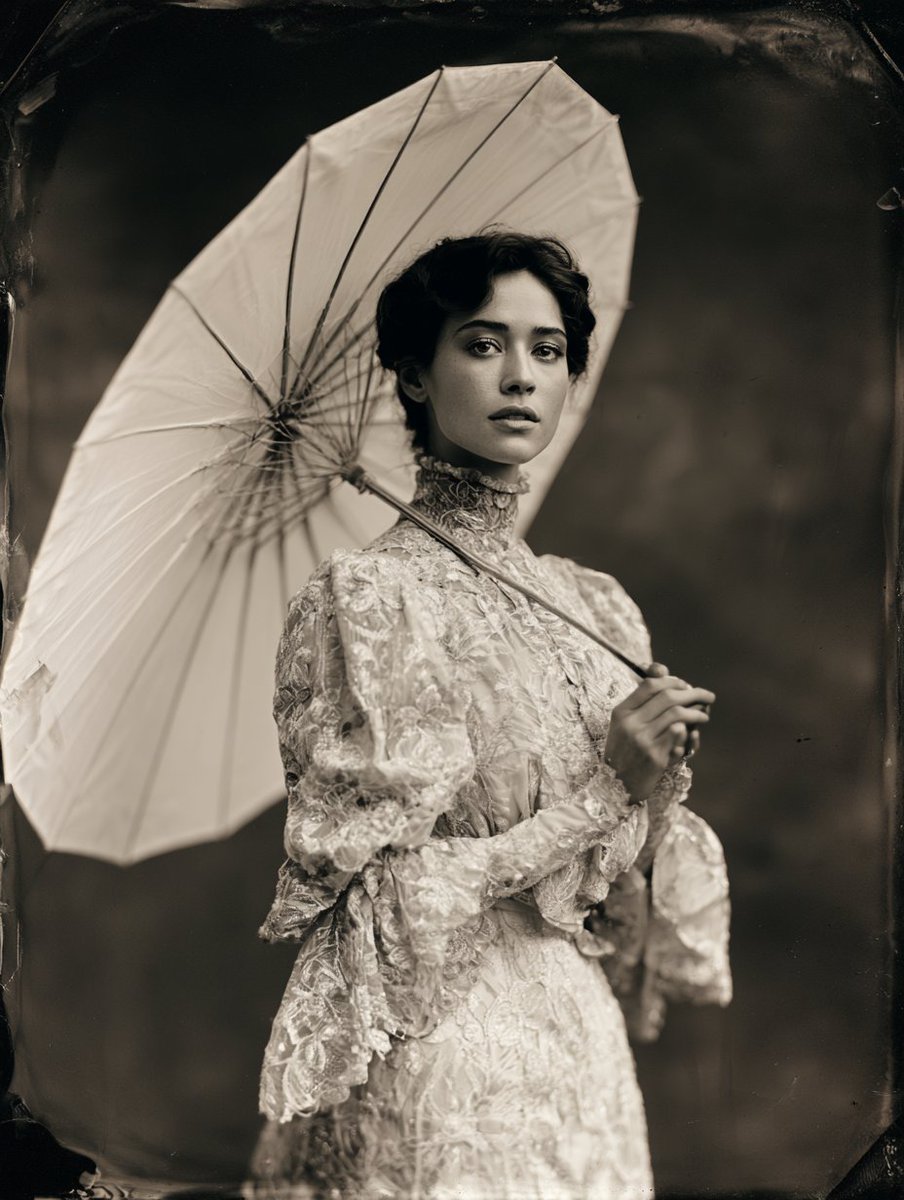
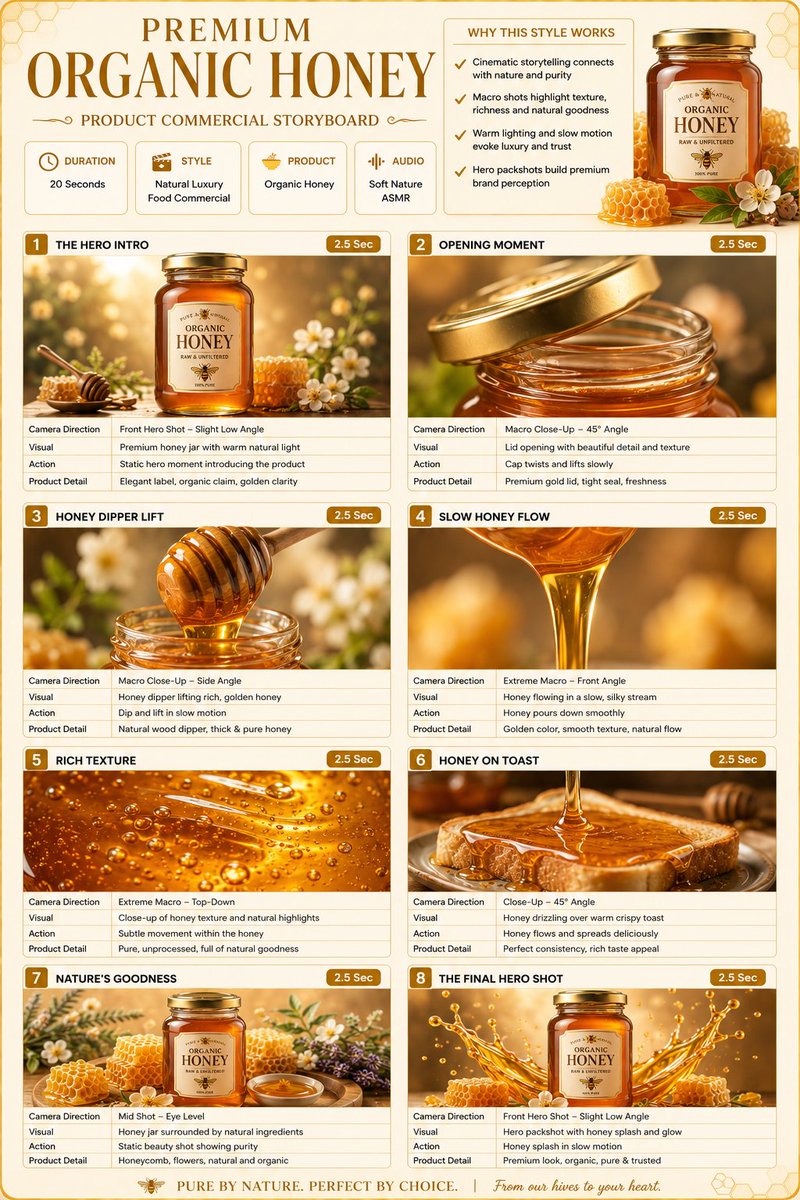
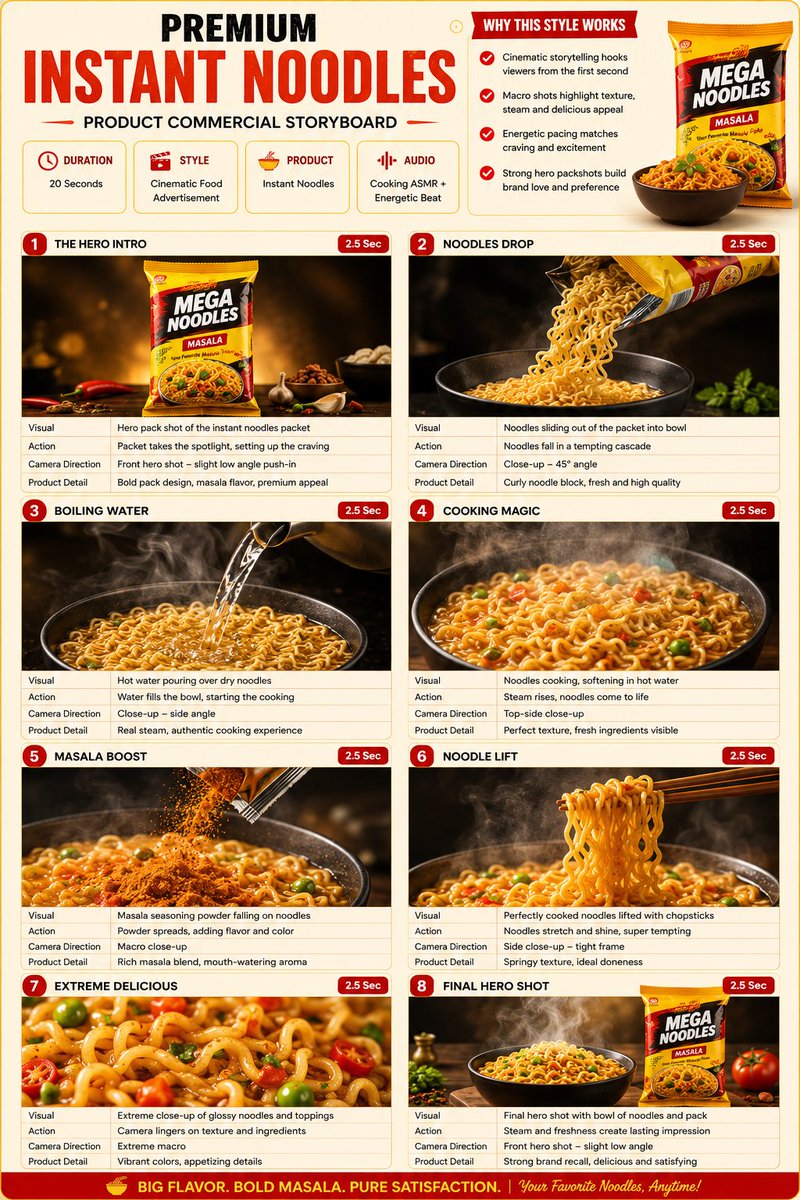
Copy the full prompt with the copy button above, paste it into Gemini or any Nano Banana Pro-powered tool, and compare your result with the example images on this page. You can also click "Try this Prompt" to generate directly on this site — free daily generations, no sign-up needed.
Can I customize "Cinematic Fast-Food Lifestyle Scene with Cheeseburger"?
Yes. Anything in [brackets] is a placeholder meant to be replaced with your own subject or details, and you can freely adjust subject, lighting, or style keywords — small wording changes often produce noticeably different results.
Which AI models does this prompt work with?
It was originally shared for Google's Gemini image models (including Nano Banana Pro). Most text-to-image models will understand it too, though composition and text rendering quality vary by model.